
Taplochem International (PVT) LTD supplies high-quality water treatment chemical products. They can efficiently purify water quality and bring you a clean and safe water experience, protecting the water ecosystem.
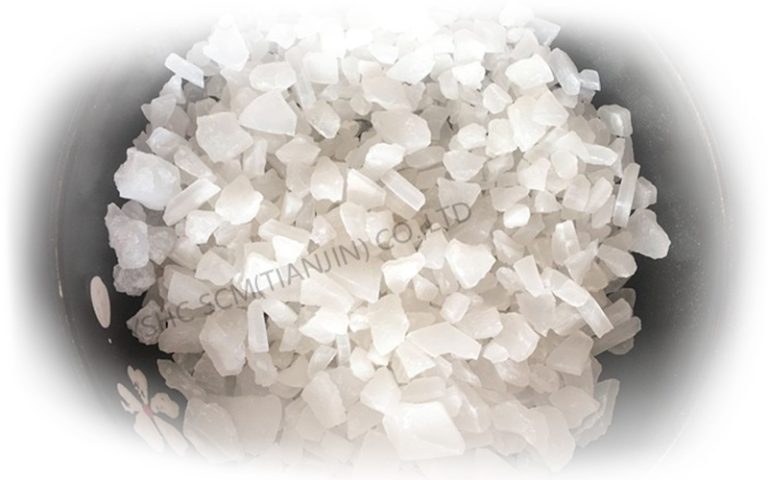

Chemical formula: Al₂(SO₄)₃
Package: 50kg bag
Aluminum sulfate hydrolyzes in water to form aluminum hydroxide colloids, which can adsorb suspended matter and colloidal particles in water to coagulate and precipitate, so as to achieve the purpose of purifying water quality.
It can react with phosphate to form an insoluble aluminum phosphate precipitate, thereby removing phosphorus from water.
Its hydrolysis will make the aqueous solution acidic, which can increase the water-saving PH value to a certain extent.
Due to the high purity of iron-free aluminum sulfate, it has better use effect in industries sensitive to iron ions, such as electronics, advanced paper production of paper making, printing and dyeing of high-grade fabrics and other fields, and can avoid the adverse effects of iron ions.
Low Ferric Aluminum Sulfate can also play a good role in some ordinary water treatment and general industrial production where the requirements for iron ions are not particularly harsh, and the cost may be relatively low.
In some specific water treatment or industrial applications, Non Ferric Aluminum Sulfate may lead to better and more stable treatment results.
Low Ferric Aluminum Sulfate Powder/Flake, Non Ferric Aluminum Sulfate Powder/Flake
| Items | Low Ferric | Non Ferric |
|---|---|---|
| AL2O3 min | 16% | 16.5% |
| Fe Max | 0.3% | 0.005% |
| PH Value min | 3.0% | 3.0% |
| Matter insoluble in water max | 0.1% | 0.05% |
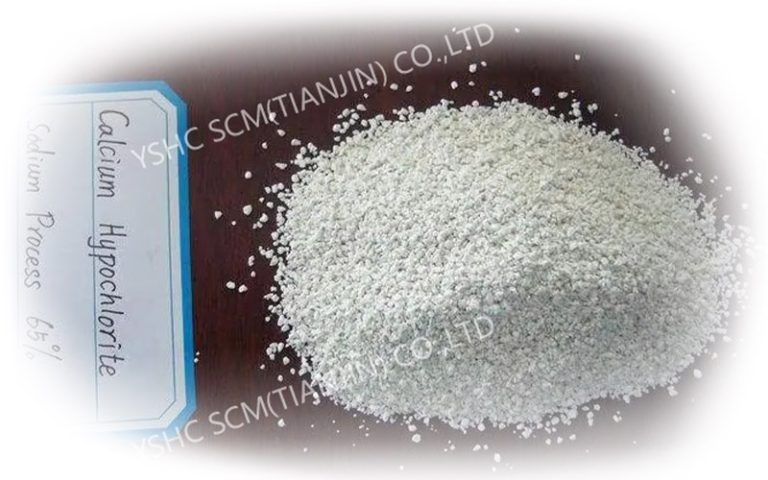
Chemical formula: Ca(ClO)₂
Package: 40kg/50kg American barrel
Calcium hypochlorite dissolved in water will produce hypochlorous acid, hypochlorous acid has strong oxidation, can kill bacteria, viruses and other microorganisms in water, effectively ensure the health and safety of water quality.
It can remove the odor and odor caused by organic matter corruption in water.
It can oxidize some reducing substances in water, such as ferrous ions, so as to reduce the content of these pollutants.
It has a certain inhibition and killing effect on the algae in the water to prevent the excessive reproduction of algae.
It should be noted that the use of calcium hypochlorite needs to be strictly controlled, and excessive use may lead to excessive chlorine in water, which has adverse effects on the human body and the environment.
At the same time, calcium hypochlorite has a certain corrosive and irritating, and safety protection should be paid attention to during operation.
Calcium hypochlorite65%, Calcium hypochlorite70%
| ITEM | INDEX |
|---|---|
| APPEARANCE | WHITE TO LIGHT-GREY |
| FORM | GRANULAR |
| EFFECTIVE CHLOINE | 70%MIN |
| MOISTURE | 5%-10% |
| WATER INSOLUABLE | 6%MAX |
| SODIUM CHLORIDE | 15%MAX |
| GRANULAR SIZE | 90%MIN THROUGH 10-30MESH |
| YEARLY LOSS OF CHLORINE | 10%MAX |
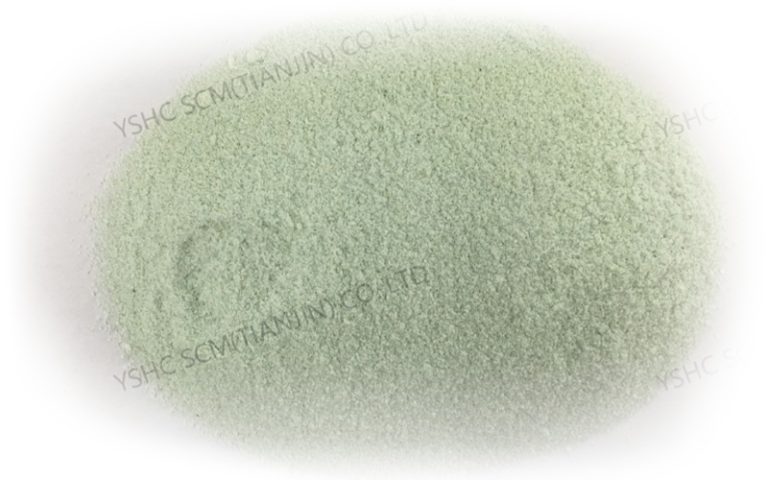
Chemical formula: FeSO₄·7H₂O
Package: 25kg bag
The harmful metal ions in high states such as hexavalent chromium can be reduced to low states to reduce their toxicity and harm.
The colloids of ferrous hydroxide and iron hydroxide produced by hydrolysis can adsorb the suspended matter and colloidal particles in the water, so that it condenses and precipitates, thereby removing the pollutants in the water.
It has certain decolorization effect on some wastewater with color.
It reacts with phosphate to form a precipitate, thereby removing phosphorus from water.
In some biological treatment processes, iron required for microbial growth can be supplemented to improve microbial activity and treatment efficiency.
It should be noted that when using ferrous sulfate monohydrate for water treatment, the dosage should be reasonably controlled according to the water quality to achieve the ideal treatment effect.
| Items | Ferrous Sulfate Monohydrate | Ferrous Sulfate Heptahydrate |
|---|---|---|
| (FeSO4·7H2O) | ≥91.4%min | ≥98%min |
| (Fe) | ≥30% min | ≥19.7% min |
| As (content)% | 0.0002% max | 0.0002% max |
| Pb (content)% | 0.002% max | 0.003% max |
| Cd (content)% | 0.0002% max | 0.0005% max |
| Water insoluble | ≤0.5 | ≤0.5 |
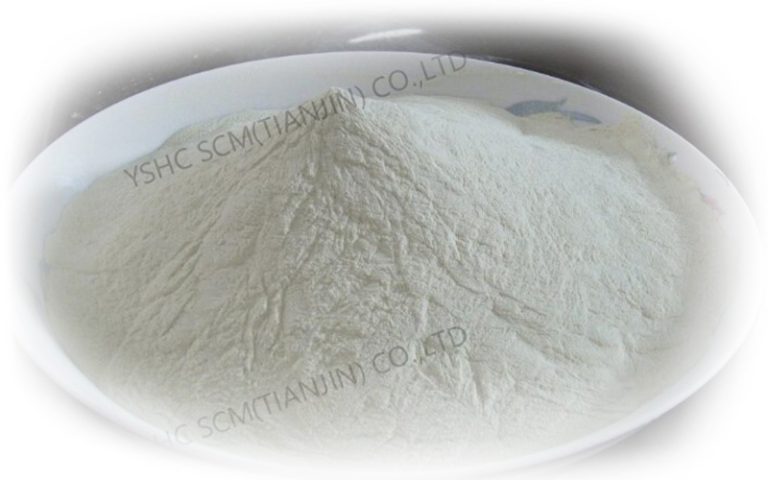
Chemical formula: FeSO₄·H₂O
Package: 25kg bag
The harmful metal ions in high states such as hexavalent chromium can be reduced to low states to reduce their toxicity and harm.
The colloids of ferrous hydroxide and iron hydroxide produced by hydrolysis can adsorb the suspended matter and colloidal particles in the water, so that it condenses and precipitates, thereby removing the pollutants in the water.
It has certain decolorization effect on some wastewater with color.
It reacts with phosphate to form a precipitate, thereby removing phosphorus from water.
In some biological treatment processes, iron required for microbial growth can be supplemented to improve microbial activity and treatment efficiency.
It should be noted that when using ferrous sulfate monohydrate for water treatment, the dosage should be reasonably controlled according to the water quality to achieve the ideal treatment effect.
| Items | Ferrous Sulfate Monohydrate | Ferrous Sulfate Heptahydrate |
|---|---|---|
| (FeSO4·7H2O) | ≥91.4%min | ≥98%min |
| (Fe) | ≥30% min | ≥19.7% min |
| As (content)% | 0.0002% max | 0.0002% max |
| Pb (content)% | 0.002% max | 0.003% max |
| Cd (content)% | 0.0002% max | 0.0005% max |
| Water insoluble | ≤0.5 | ≤0.5 |
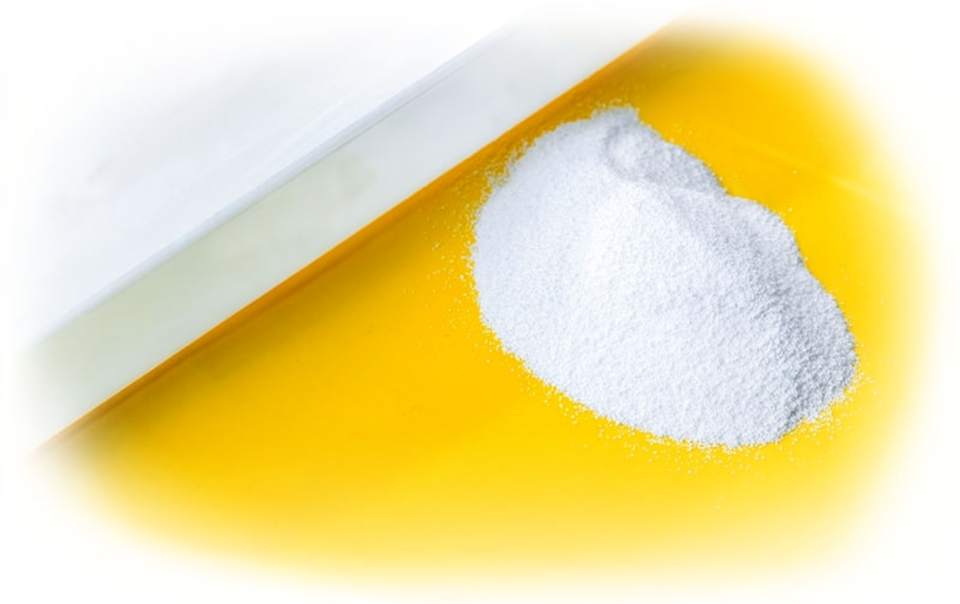
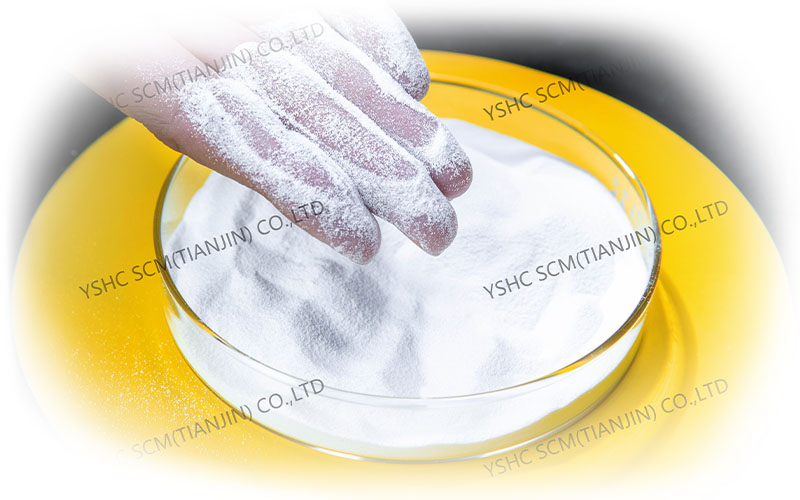
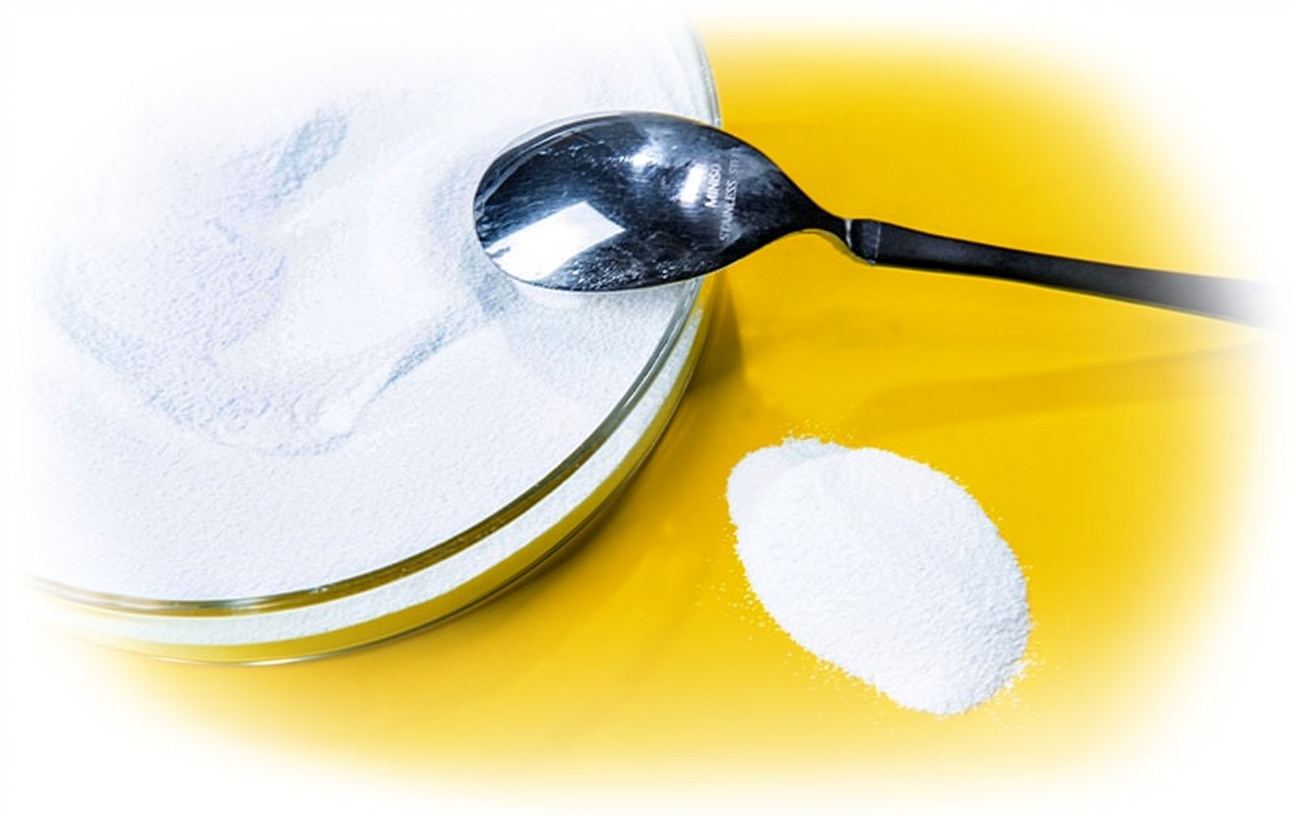
Chemical formula: [Al₂(OH)ₙCl₆₋ₙ]ₘ
Package: 25kg bag
After the hydrolysis of polyaluminum chloride, positively charged hydrolytic products will be produced, which can neutralize the negatively charged colloidal particles in the water, make them destabilize and coagitate with each other to form larger floc.
Polymeric aluminum chloride can adsorb multiple colloidal particles and connect them together through bridging to form larger floc.
It can effectively remove the suspended matter in the water and make the water clear. Some organic matter in the water has adsorption and co-precipitation, thus reducing the content of organic matter in the water.
It can be combined with phosphate to form a precipitate, thereby removing phosphorus from water. Heavy metal ions in water are removed by adsorption and co-precipitation. The turbidity and chroma of the treated water are obviously reduced and the water quality is improved.
In short, polyaluminum chloride is an efficient water treatment agent, which can significantly improve water quality and make it meet the corresponding discharge standards or reuse requirements.
PAC 28% Dark Yellow Powder, PAC 30% Light Yellow Powder, PAC 30% White Powder
| Item Description | Product Specification | ||
|---|---|---|---|
| Appearance | Dark Yellow powder | Light yellow powder | White powder |
| AL2O3 | 28% | 30% | 30% |
| Basicity | 60-90% | 40-90% | 40-60% |
| PH 1% aqueous solution | 3.0-5.0 | 3.0-5.0 | 3.0-5.0 |
| Water insoluble % | <1.5 | <0.5 | <0.1 |
| Nitrogen % | <0.01 | <0.01 | <0.01 |
| Sulphate % | <0.01 | <0.01 | <0.01 |
| Fe % | <0.5 | <0.03 | <0.01 |
| Mn % | <0.004 | <0.002 | <0.002 |
| As % | <0.002 | <0.002 | <0.002 |
| Pb % | <0.0001 | <0.0005 | <0.0005 |
| Cd % | <0.0002 | <0.0002 | <0.0002 |
| Hg % | <0.00001 | <0.00001 | <0.00001 |
| Cr | <0.0003 | <0.00015 | <0.00015 |
| Cr6+ % | <0.0005 | <0.0002 | <0.0002 |
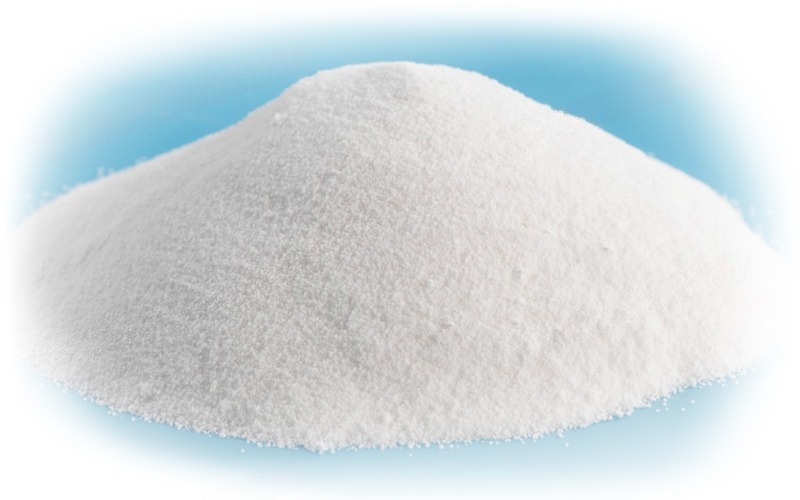
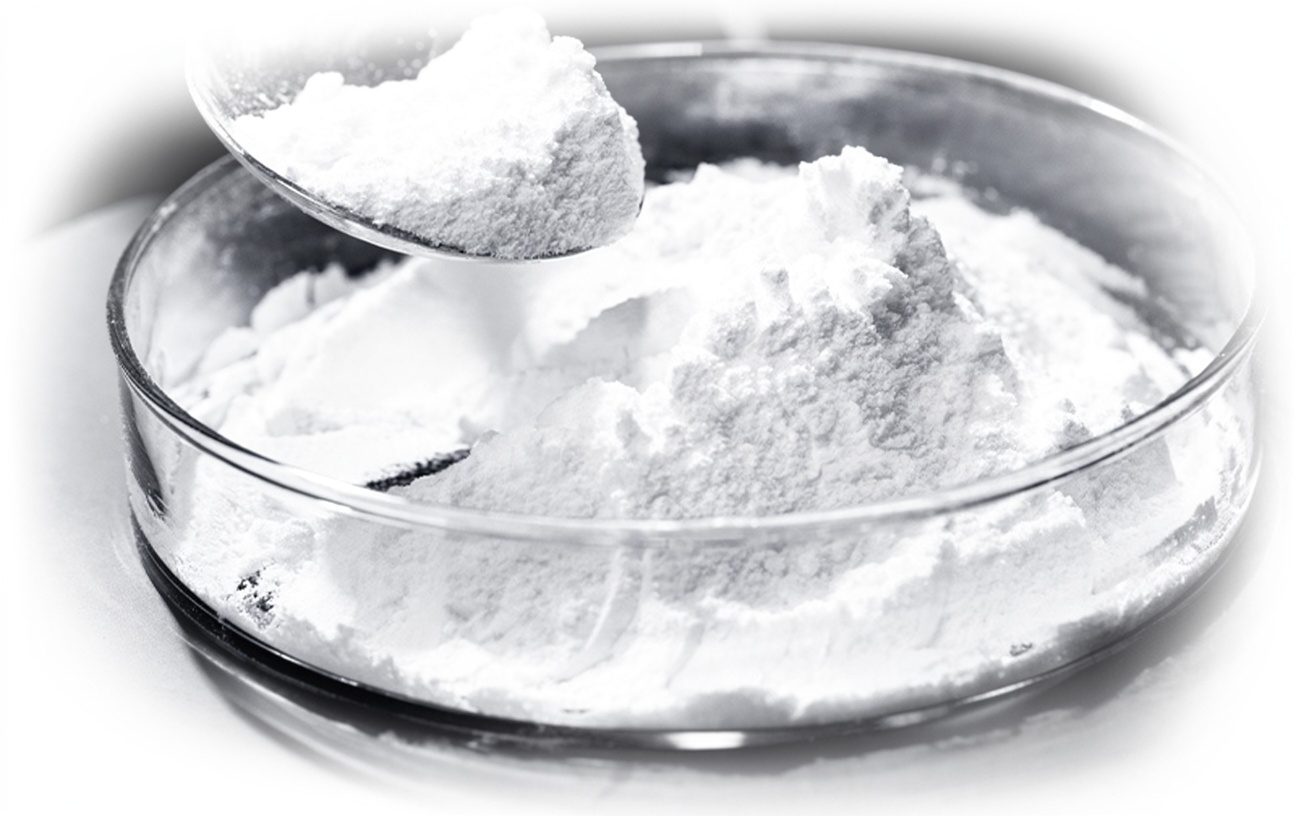
Chemical formula: Na₂CO₃
Package: 50kg/1000kg bag
It can be used to raise the PH of water to a suitable range, especially in acid wastewater treatment.
It can react with calcium and magnesium ions in water to precipitate, thereby reducing the hardness of water. Through the precipitation reaction, some heavy metal ions in the water are removed, such as lead and copper.
It can be used with other coagulants to improve the effect of coagulants and promote the condensation and precipitation of suspended solids and colloids in water. In some industrial wastewater treatment, it helps to improve the removal ability of pollutants such as grease and organic matter.
| ITEMS | SPECIFICATION | ||
|---|---|---|---|
| Total allali content% | 99.2min | ||
| Chloride(NaCl)% | 0.70max | ||
| Iron(Fe2O3)% | 0.0035max | ||
| Sulfate(SO4)% | 0.03max | ||
| Water insoluble matter% | 0.03max | ||
Chemical formula: Na₂CO₃
Package: 25/40/50/1000kg bag
It can be used to raise the PH of water to a suitable range, especially in acid wastewater treatment.
It can react with calcium and magnesium ions in water to precipitate, thereby reducing the hardness of water.
Through the precipitation reaction, some heavy metal ions in the water are removed, such as lead and copper.
It can be used with other coagulants to improve the effect of coagulants and promote the condensation and precipitation of suspended solids and colloids in water.
In some industrial wastewater treatment, it helps to improve the removal ability of pollutants such as grease and organic matter.
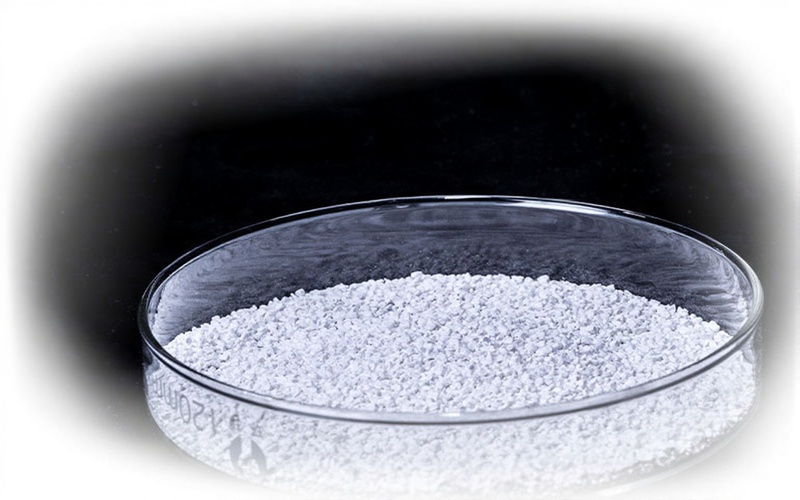
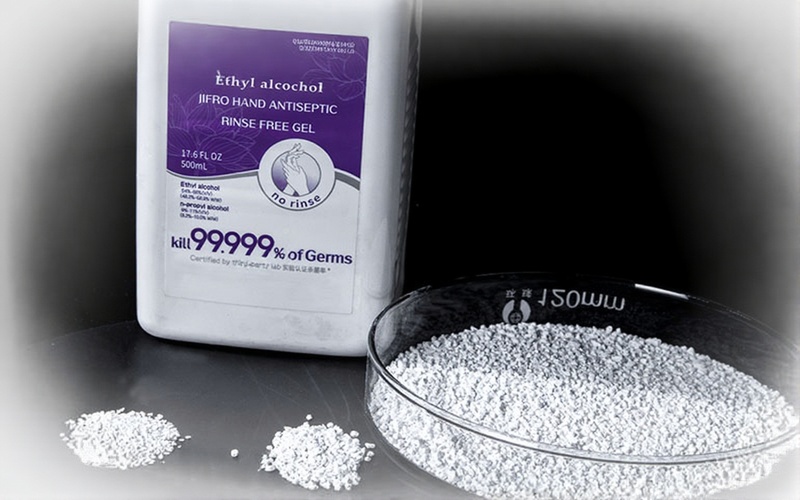
Sodium Carbonate, Soda Ash, Disodium Carbonate, Carbonic Acid Disodium Salt
| Soda ash light | specification | ||
|---|---|---|---|
| Total alkali content(Na2CO3 in dry base) | 99.2min | ||
| Chloride content((NaCl in dry base) | 0.70% max | ||
| Iron content(Fe in dry base) | 0.0035% max. | ||
| Sulphate( SO4 in dry base) | 0.03%max | ||
| Water Insoluble matter | 0.03%max | ||
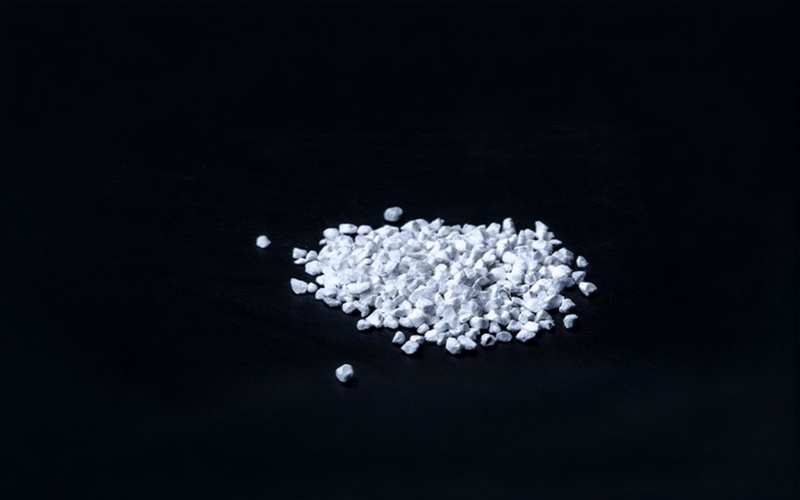
Chemical formula: C₃Cl₂N₃NaO₃
Package: 50kg drum
It can effectively kill all kinds of bacteria, viruses, fungi, spores and other pathogenic microorganisms in water to prevent the occurrence of water-borne diseases.
It can decompose part of the organic matter in the water and reduce the chemical oxygen demand (COD).
It can inhibit the growth of algae, control the reproduction of algae, and prevent the eutrophication of water.
Eliminate the odor caused by organic matter corruption and microbial metabolism in water.
By killing microorganisms and inhibiting their growth, the stability of water quality is maintained in a certain period of time.
Prevent microorganisms from forming biofilms on pipe and equipment surfaces, reducing the risk of pipe clogging and equipment corrosion.
However, when using sodium dichloroisocyanurate, attention should be paid to controlling the amount to avoid adverse effects on water bodies and the environment caused by excessive use.
SDIC 56%, SDIC 60%
| Molecular formula | C3O3N3CL2Na | |
|---|---|---|
| Item | Standard | |
| Active Chlorine | 56%Min | 60%Min |
| Moisture | 3-7%Max | 4.5%Max |
| PH Valaue | 5.5-7.0 | 5.5-7.0 |
| Insolubility | 0.2%Max | 0.2%Max |
| Apparence | White Granular,powder | White Granular,powder |
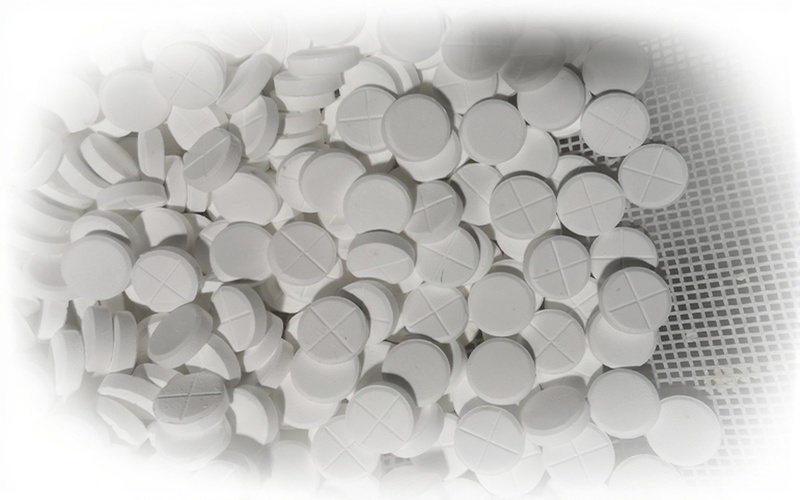
Chemical formula: C₃Cl₃N₃O₃
Package: 50kg drum
It has a significant killing effect on a variety of bacteria, viruses, fungi, spores and other microorganisms, and can quickly eliminate pathogenic microorganisms in water to ensure the safety of water.
Effectively inhibit the growth and reproduction of algae, prevent excessive growth of algae such as bloom, and keep water clear.
Eliminate the bad smell caused by organic matter corruption and microbial metabolism in water, and improve the olfactory quality of water.
Prevent microorganisms from attaching to the surface of pipelines and pools to form biofilms, reducing pipeline resistance and equipment corrosion.
Continue to inhibit the growth and activities of microorganisms, maintain a stable state of water quality in a certain period of time, and reduce the risk of water quality changes.
It has a certain oxidation capacity, which can oxidize and decompose part of organic matter and reduce the chemical oxygen demand (COD) of water.
TCCA 90% Powder, TCCA 90% Granular , TCCA 90% Tablet
| COMPONENT | CONCENTRATION |
|---|---|
| TRICHLOROISOCYANURIC ACID | 98.7% |
| DICHLOROISOCYANURIC ACID | 0.2% |
| CYANURIC ACID | 0.5% |
| WATER CONTENT | 0.3% |
| SODIUM CHLORIDE | 0.2% |
| WATER-INSOLUBLE | 0.1% |